New: 1-877-751-1774
Used: 1-888-977-2603
Service & parts: 450-691-4130

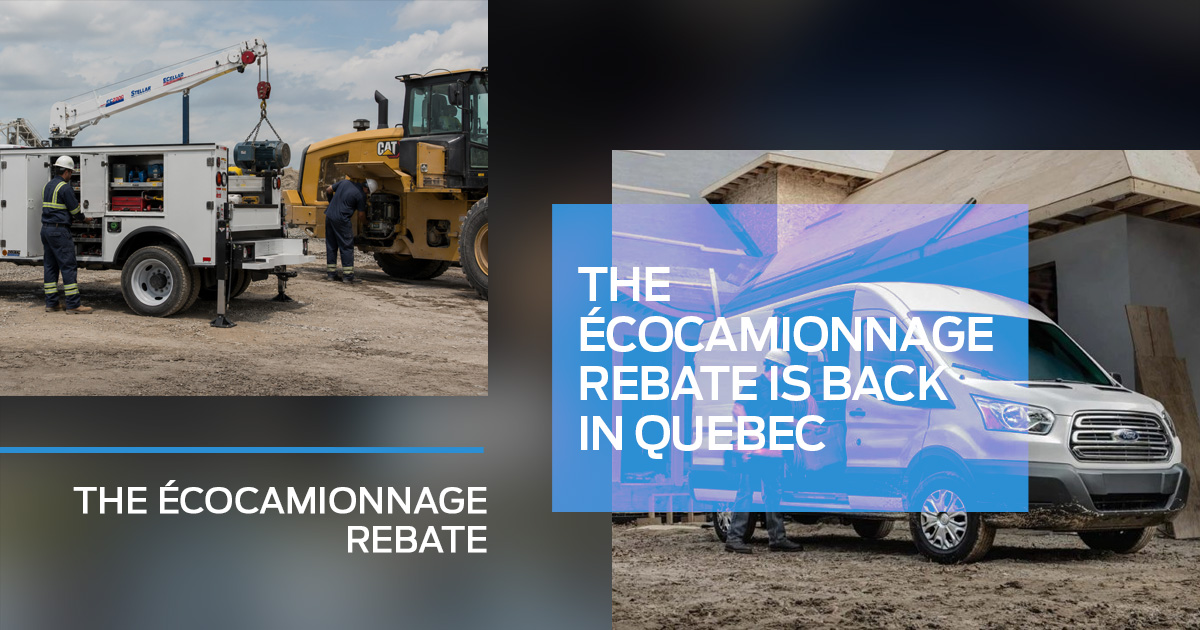
The Écocamionnage rebate is back in Quebec. For businesses that postponed the purchase of an electric commercial vehicle after the program was suspended, its relaunch puts provincial financial assistance back at the centre of fleet renewal projects.
In Châteauguay, Mercier, Léry and elsewhere on the South Shore, commercial vehicles play an essential role in delivery, goods transportation and service operations. The return of the program therefore deserves the attention of business owners, whether they operate a single vehicle or several units.
What does this assistance cover? Which vehicle categories may be eligible? How should an application be prepared? Here are the key points to understand about the return of Écocamionnage and to determine whether your project could benefit.
The Quebec government announced the renewal of the Écocamionnage program on December 2, 2025. Following its suspension, this reopening allows businesses to reconsider their projects in light of the 2025-2028 program terms.
However, it is important to distinguish the return of the program from the continuation of all its former conditions. Amounts, categories and requirements must be verified under the current framework. Information reviewed before the suspension is not sufficient to determine the assistance available today.
For a business that kept an older quote, the first step is therefore to update the file. The vehicle being considered, its category and the acquisition date can influence how the application is processed. The return of the rebate provides an opportunity to revisit the analysis using current information.
Écocamionnage aims to reduce greenhouse gas emissions from road freight transportation and service vehicles. The program notably supports electrification and improved energy efficiency. Its end date is March 31, 2028.
The program includes several components, including technology acquisition, acquisition of used heavy-duty vehicles and logistics projects. Financial assistance for the purchase of an electric commercial vehicle falls within this framework and is subject to its own rules.
The term “rebate” makes the concept easier to understand, but it refers to government financial assistance that requires an application and approval. It does not automatically apply to every vehicle used by a business. The program notably excludes passenger transportation.
Businesses, individuals operating a business, certain organizations and municipalities may submit an application depending on the conditions of the applicable component. For technology acquisition, published requirements notably include having a head office or establishment in Quebec and having been legally incorporated for at least two years.
The vehicle must also meet the applicable criteria, including registration in Quebec. The purchase must normally be made from a Quebec supplier, dealer or manufacturer, subject to the exception provided when none is established in Quebec for the product in question.
For a contractor in Châteauguay, the key is to connect these conditions to the actual business situation. A delivery company, a retailer distributing its products or a service provider should have the vehicle’s real use reviewed. Simply having a business number does not by itself confirm eligibility.
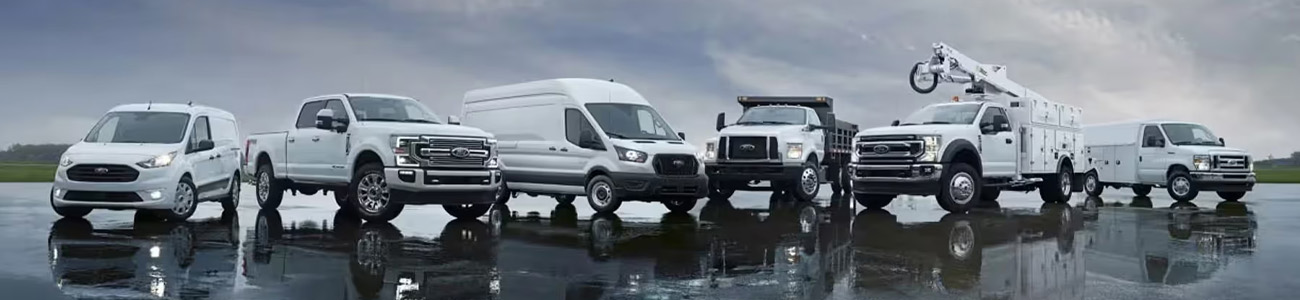
The program distinguishes Class 2b light-duty vans from Class 3 to 8 heavy vehicles. This classification is based on Gross Vehicle Weight Rating, generally referred to as GVWR.
GVWR represents the maximum authorized weight of the fully loaded vehicle. It is neither the curb weight nor simply the amount of cargo the vehicle can carry. This technical specification determines the vehicle’s appropriate assistance category.
Vehicles must also appear on the official list of eligible technologies. An electric powertrain and commercial use are therefore not enough to guarantee access to the program. For light-duty vehicles, only certain vans meet the criteria; eligibility should not be extended to all business cars or pickup trucks.
Our Ford Pro commercial vehicles page is a useful place to begin your research. Vehicle selection and validation of provincial assistance should then be reviewed together.
The following table summarizes the categories for new fully electric vehicles. Assistance amounts are conditional on meeting the program’s terms.
| Category | GVWR | Planned Assistance |
| Class 2b light-duty van | 3,856 to 4,535 kg | $2,500 for a purchase made from April 1, 2026 to March 31, 2027 |
| Class 3 medium-duty truck | 4,536 to 6,350 kg | 25% of eligible purchase cost, maximum $30,000 |
| Class 4 medium-duty truck | 6,351 to 7,257 kg | 35% of eligible purchase cost, maximum $75,000 |
| Class 5, 6 and 7 medium-duty truck | 7,258 to 14,969 kg | 35% of eligible purchase cost, maximum $100,000 |
| Class 8 heavy-duty truck | 14,970 kg and over | 35% of eligible purchase cost, maximum $150,000 |
For trucks, the purchase cost used for the calculation corresponds to the vehicle before options and taxes. For Class 2b vans, assistance decreases over time and depends on the acquisition date: the program terms provide for a $0 amount in 2027-2028. The model year therefore does not determine the rebate.
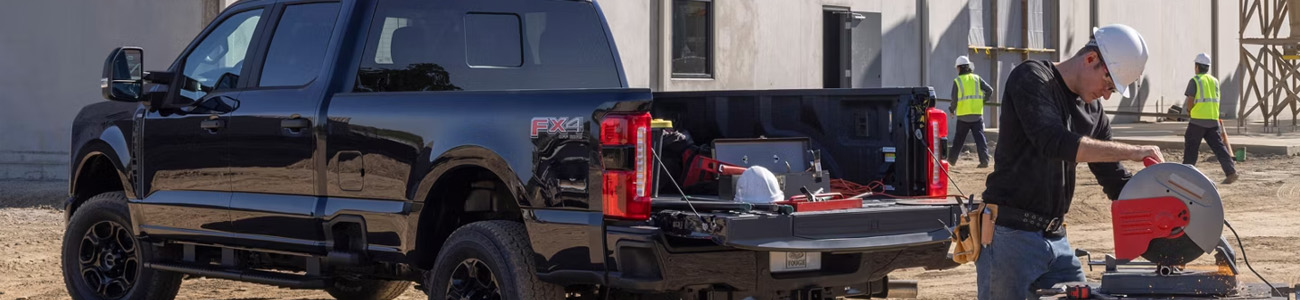
A business serving Châteauguay and the surrounding area regularly has to decide when to replace its vehicles. Mechanical condition, upcoming contracts, transportation needs and the available budget all factor into that decision. The return of provincial assistance adds another element to consider.
Consider a retailer planning to replace a vehicle used for local deliveries. If the project meets Écocamionnage requirements, the subsidy could change the acquisition budget. That budget must then be compared with the company’s needs and the other costs associated with the project.
The same reasoning can apply to a business serving Mercier, Léry or Beauharnois. Customer proximity, distances travelled and daily scheduling will help define the type of commercial vehicle required. The program provides a reason to reassess the project, while business operations determine the appropriate vehicle.
An application for technology acquisition assistance notably includes the official form and its appendix, an accepted and signed purchase order that cannot be cancelled except in cases of force majeure, as well as a detailed description of the vehicle or technology.
The process then calls for supporting documents, including the purchase invoice, registration and the manufacturer’s vehicle description. The official page indicates a maximum period of twelve months from the application submission date to provide the documents required for payment.
Before starting, make sure the applicant, purchase order and vehicle information all match. A difference in the company name, an imprecise description or an incomplete document can complicate the review. Keep a legible copy of every document and use the current forms.
Another useful step is to designate the person responsible for follow-up within your business. That person can centralize documents, record communications and verify that the information submitted matches the selected vehicle. If several people are involved in the purchase, this coordination helps prevent everyone from working from different versions of the quote.
Also distinguish the date of your research from the date of the planned transaction. A business comparing options today but planning to purchase later should confirm the rules that apply to its timeline. This verification is especially relevant when the purchase could fall across two different program periods.
The program provides an option to assign the financial assistance to the manufacturer, supplier or dealer. This arrangement allows the assistance to be processed as a purchase rebate when the requirements are met.
It notably requires a signed assignment form and a Revenu Québec attestation that complies with the applicable conditions. The process must be established with the parties involved; businesses should not assume that every transaction will automatically display an immediate reduction.
Ask for a quote that clearly separates the vehicle price, equipment, taxes, other commercial adjustments and the expected government assistance. This presentation will help you understand the amount to be financed and the conditions associated with each reduction.
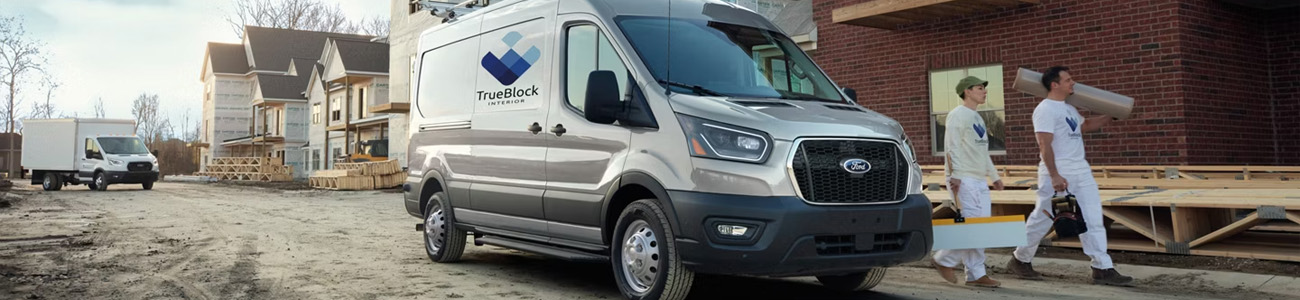
The return of Écocamionnage can make a purchase decision easier, but the project must also meet your business needs. Payload, available volume, body type and required upfits deserve just as much attention as the rebate.
A business carrying light, bulky goods will not have the same priorities as a team moving heavy equipment. Vehicle category selection should begin with the work that needs to be done. Focusing only on the highest assistance amount risks moving the project away from actual operational needs.
Browse our commercial vehicle inventory to review available possibilities. Once your needs have been defined, you can compare relevant vehicles and have their eligibility for the provincial program validated.
Before replacing a vehicle, gather its mileage, maintenance history and information about its current financing. These details will help establish the budget for the next purchase.
You can request a trade-in appraisal to include its value in the project. If your business would rather sell a unit separately, our Sell Us Your Vehicle service lets you explore that option.
Also allow enough time to choose the required upfits and organize the arrival of the next vehicle. Planning around your contracts and busy periods will help coordinate the replacement with your company’s day-to-day operations.
For businesses in Châteauguay and on the South Shore, a dealership meeting can bring technical and commercial questions together in one place. Bring a description of your business activity, the dimensions of your cargo and your main operating constraints.
You can also discuss equipment and explore Ford technologies according to your needs. A demonstration can help determine which features provide practical value for your employees.
A test drive can then help you evaluate the vehicle you are considering. To prepare your project and discuss available commercial vehicles, contact Solution Ford. The goal is to move your decision forward with a clear understanding of the vehicle, budget and potential financial assistance.
Yes. The renewal was announced on December 2, 2025, and the current framework provides for an end date of March 31, 2028. Applications remain subject to the applicable terms, approval and availability of funds.
No. The vehicle category, its inclusion on the official list, its use and the applicant’s situation must meet the criteria. Commercial use of an electric vehicle does not, by itself, confirm eligibility.
No. Light-duty vans and the different truck classes are subject to different scales. Some assistance takes the form of a fixed amount, while other assistance corresponds to a percentage of the purchase cost up to a maximum.
Yes. It is worth having your project reviewed even if your business owns only one commercial vehicle. Eligibility must be assessed according to the program criteria without assuming that a large fleet is required.
No. Écocamionnage is intended for road freight transportation and service vehicles. The program specifies that it does not apply to the passenger transportation sector.
No. The application must be complete and meet the conditions. The guide also provides for an assessment of available funding. Assistance is confirmed once the competent authorities have approved the application.